
A reflection of
our traditions
Handicrafts
Handicrafts – in the past, what we now call handicrafts was essential for the islanders’ daily needs, relying on raw materials sourced directly from their environment. Spoons, cheese molds, mortars, chácaras (traditional castanets), and other decorative tools were crafted from wood. This wood came from native Laurisilva trees (like viñátigo and heather), but also from introduced species such as walnut, chestnut, and mulberry.
But wood wasn’t the only material: ropes made from banana tree trunks were transformed into artistic flowers, jewelry boxes, table centerpieces, bread baskets, and more. Palm stalks were also used to create various handcrafted pieces. Baskets, found in diverse shapes and materials, are most commonly made from wicker and reeds. Traditional looms are still used today to weave rugs and blankets from old fabric scraps and cotton yarn—you can see an excellent example of this at the Juego de Bolas Visitor Center.
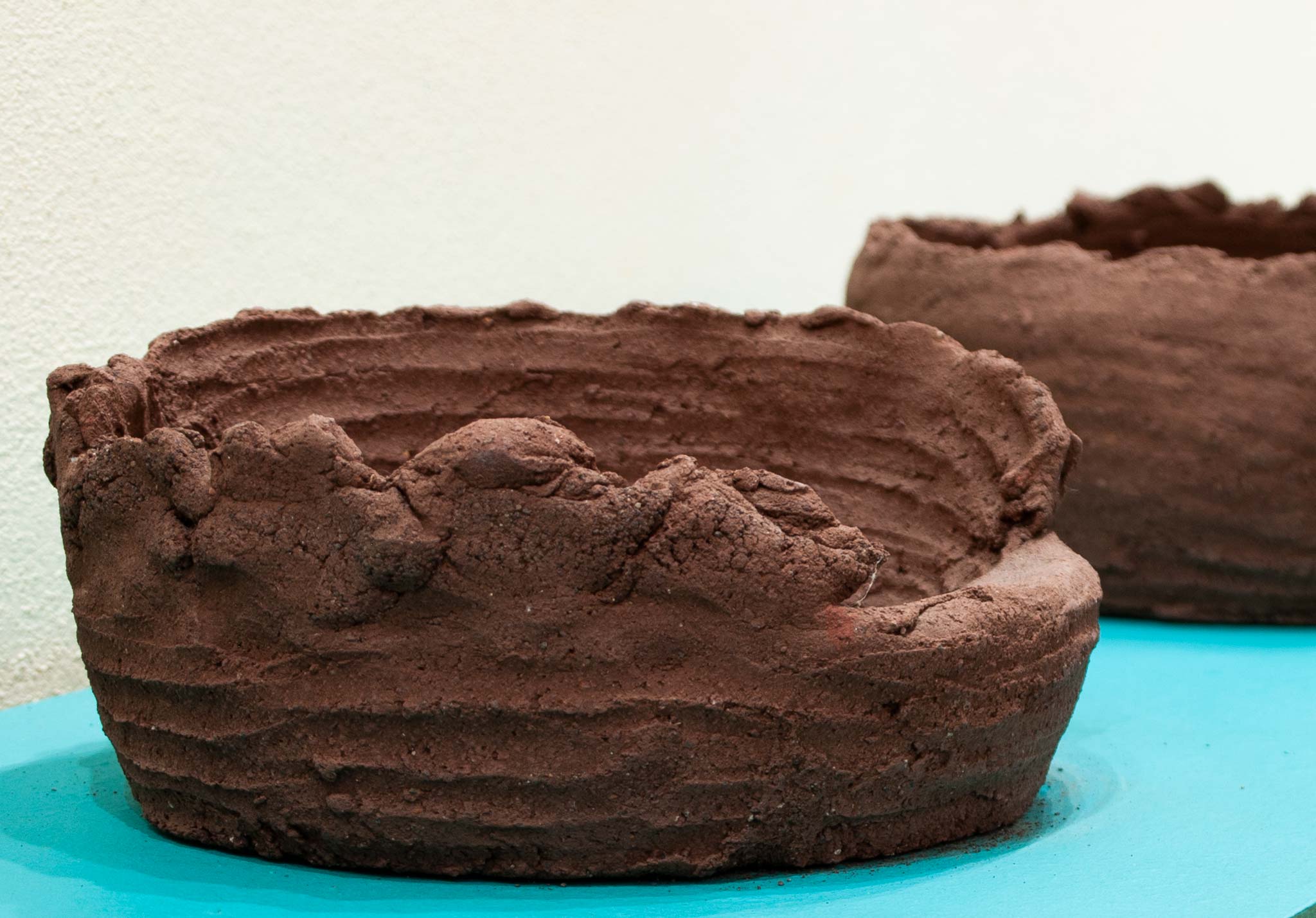
A particularly outstanding example of Gomera’s craftsmanship is pottery. Since the time of the indigenous people, it has been made entirely by hand, without a potter’s wheel. The materials—clay, sand, and almagre (a red mineral)—are typical of the island’s midlands. The manufacturing process is relatively simple but requires time and dedication. After shaping the desired vessel (a potato bowl, a water carafe, a milking vessel, a brazier, etc.), it’s placed in a wood-fired oven to dry and then fired. The special technique with almagre results in a characteristic light brown color, a stark contrast to the darker, almost black pottery from other islands. Pottery from Chipude and El Cercado is particularly known for its rudimentary appearance and rich tradition.
Besides these typical forms, La Gomera boasts many other crafts: crochet, embroidery, bobbin lace, leatherwork, rope art, silk processing, and wool crafts, to name a few. The island’s craft hub is the northern region, with Vallehermoso being the municipality with the highest number of artisans.
To promote the island’s handicrafts, various craft fairs, folklore gatherings, and agricultural fairs are held annually across the Canary Islands. Particularly noteworthy is the Insular Craft Fair in San Sebastián de la Gomera, where artisans from La Gomera and the rest of the archipelago gather. The fair is often accompanied by other cultural events, such as Silbo Gomero demonstrations and performances by folklore groups.
The Cabildo (island government) significantly supports these efforts: it coordinates participation in fairs, financially manages exhibition spaces and their decoration, arranges material transport, and ensures institutional representation. Canarian handicrafts are also showcased at tourism fairs and occasionally at specialized conferences. Often, artisans demonstrate their skills “in situ”—such as a potter at work, someone carving wood, or braiding ristras (braids of garlic or onions). The aim is to present these vibrant cultural manifestations as an attractive component of the tourist offering to future visitors, thereby creating an engaging attraction within the fair. Such demonstrations often include folkloric elements like Silbo Gomero.